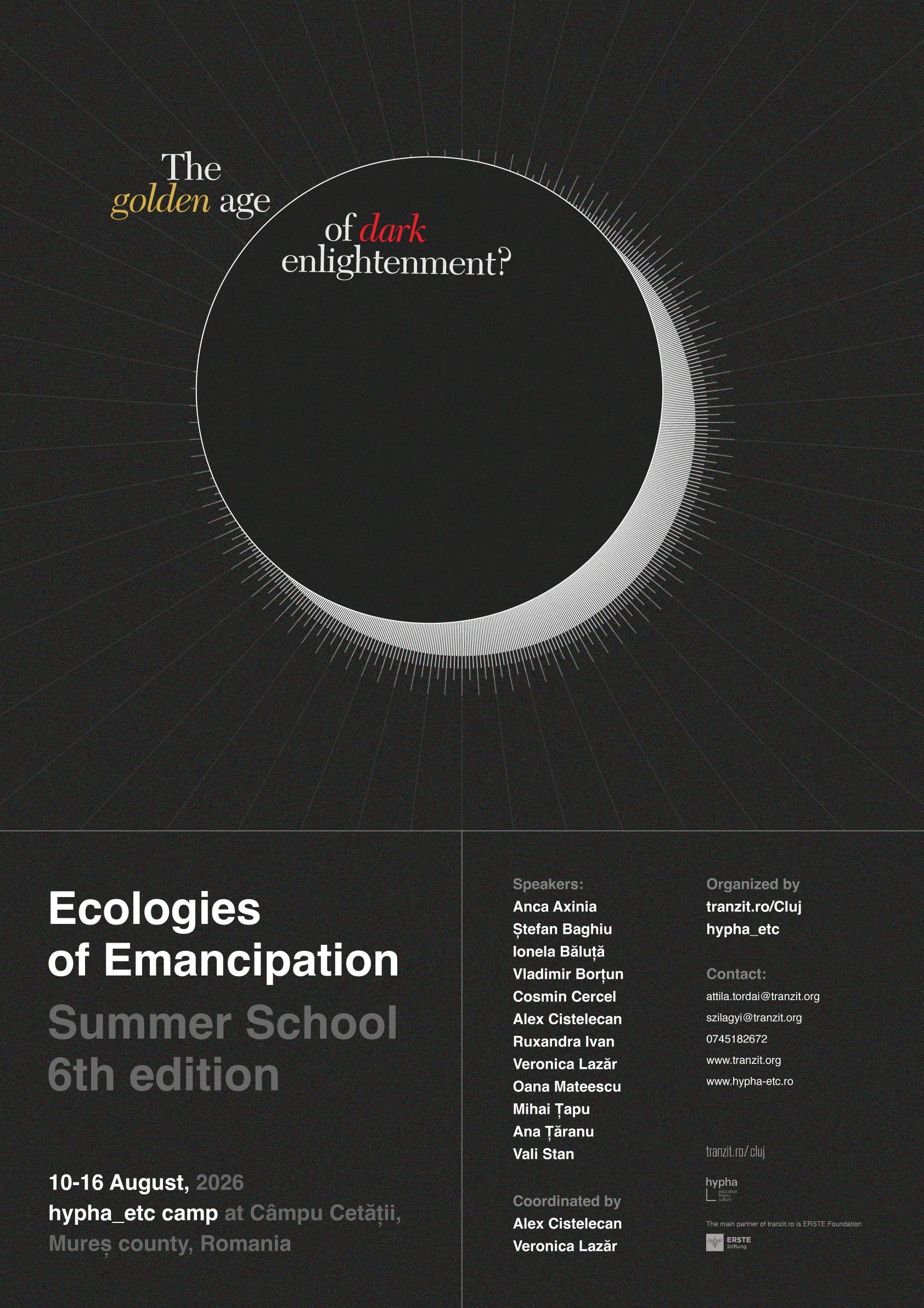
10–16 August 2026
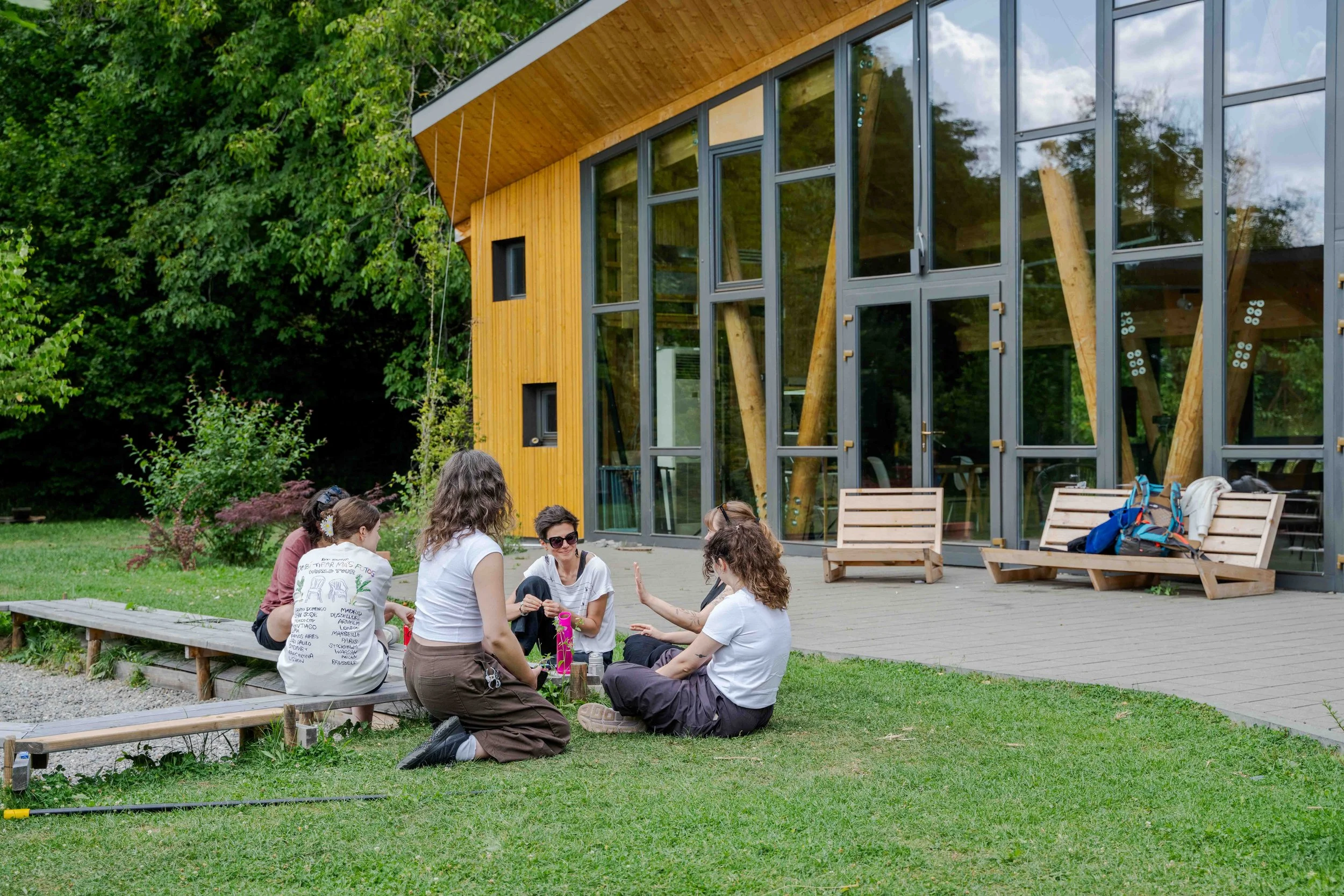
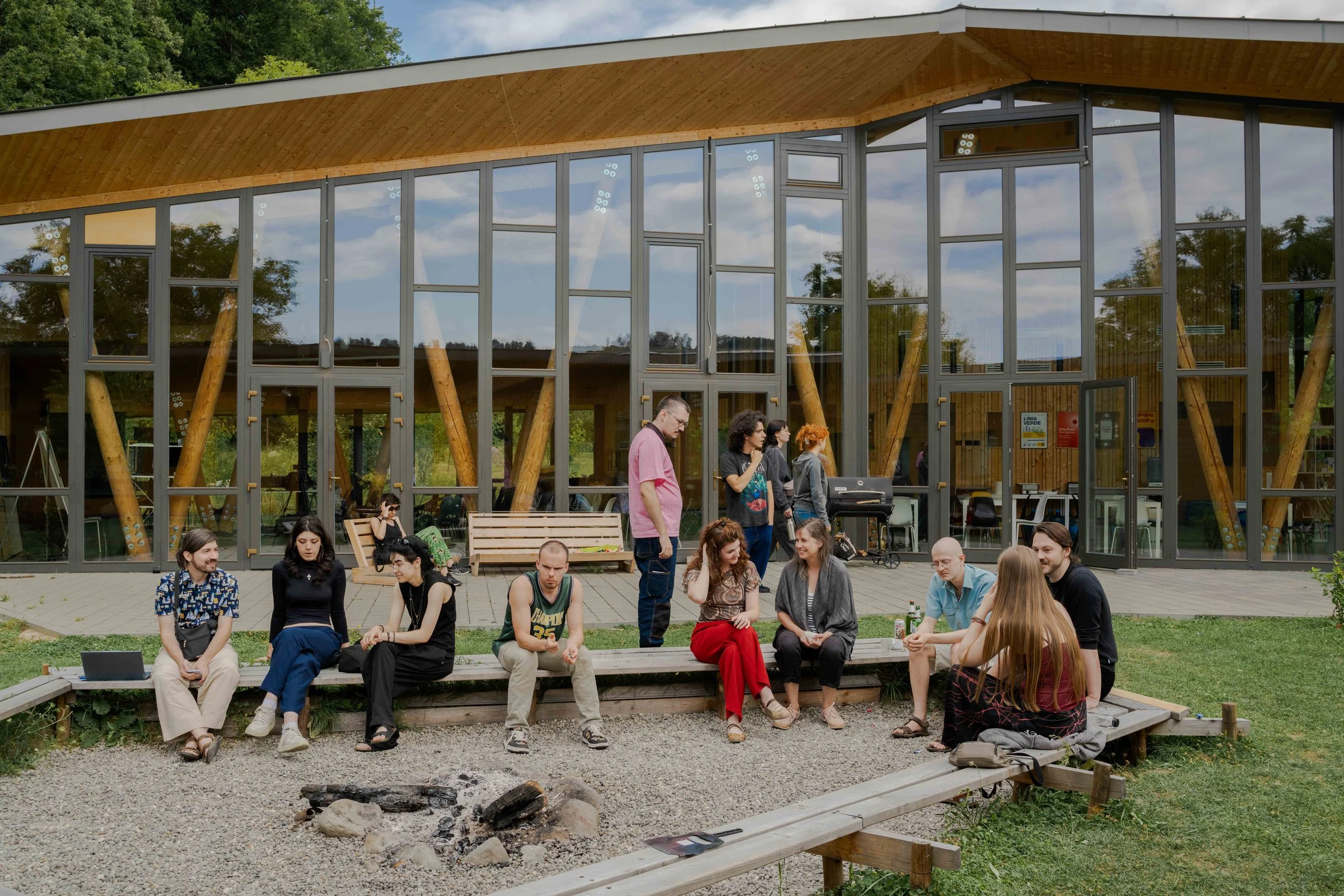
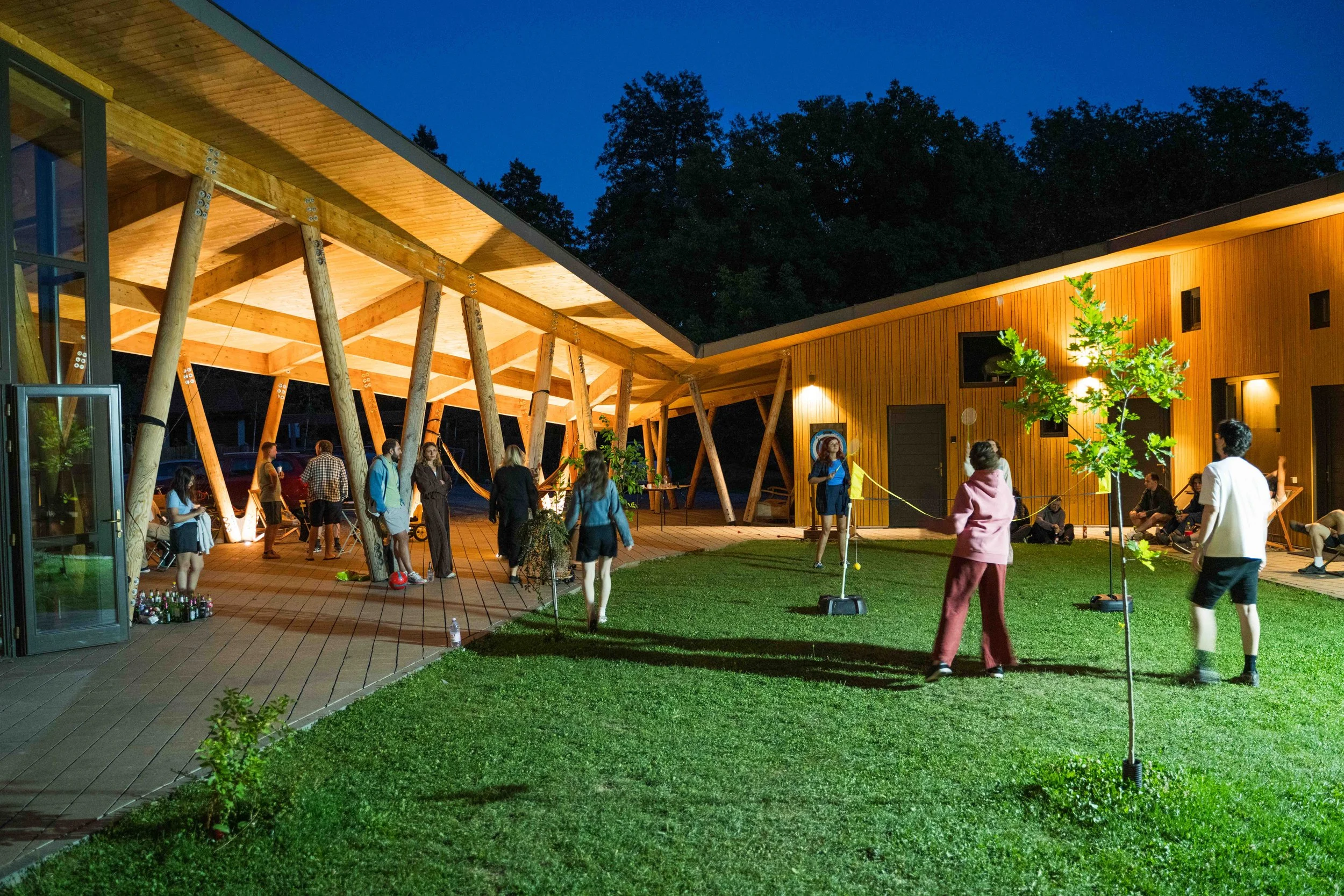
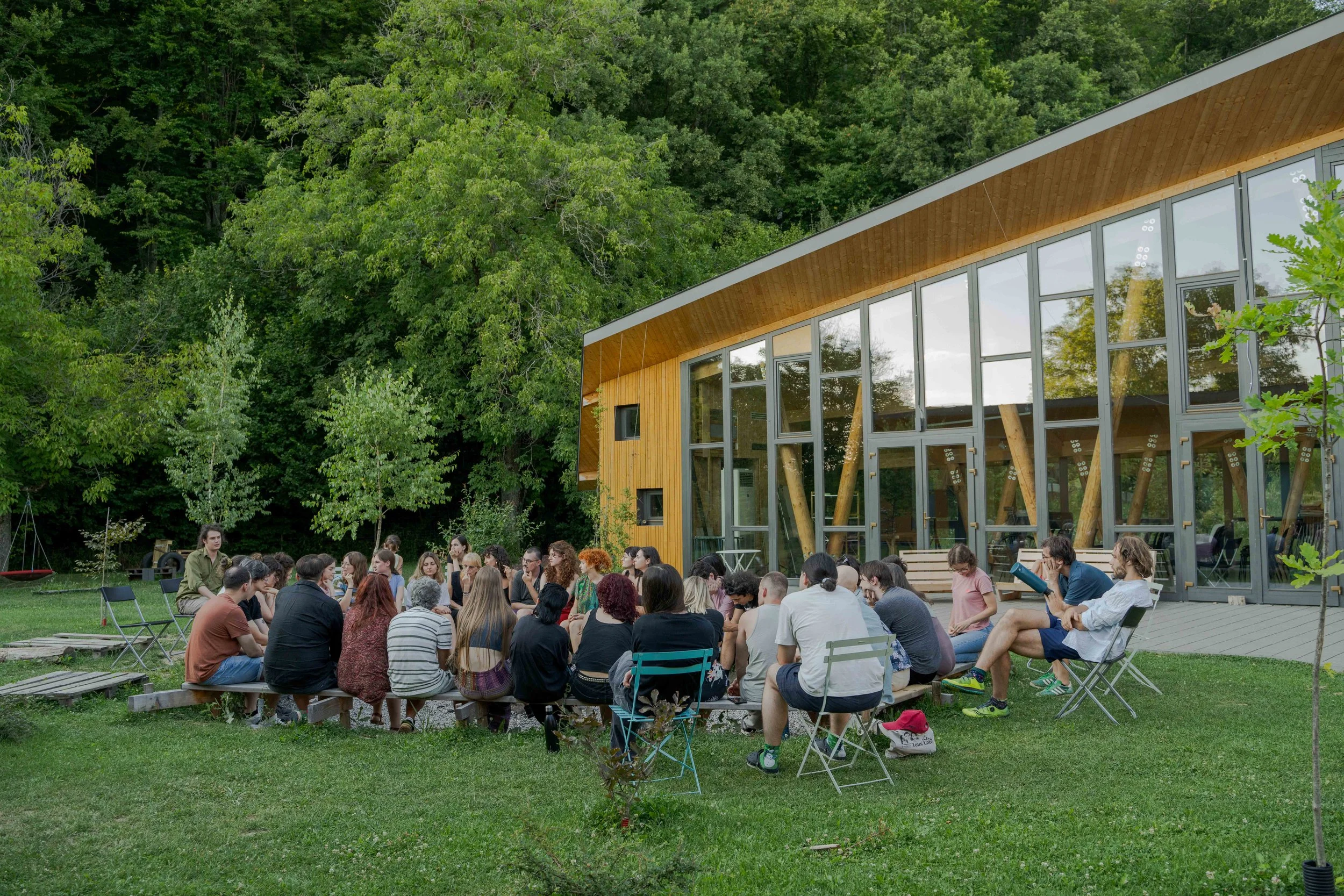
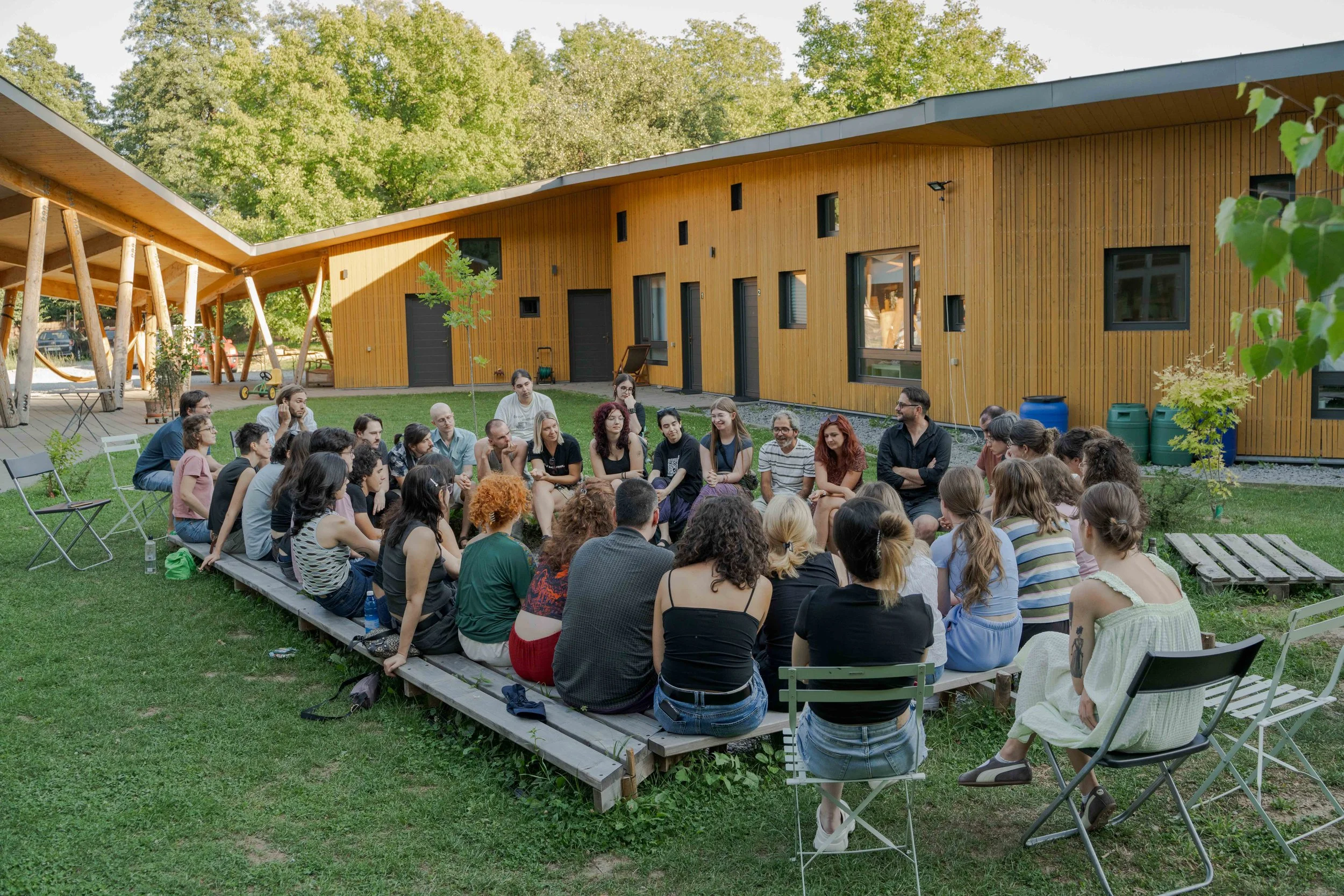
Location: hypha_etc, Câmpu Cetății, Mureș County (Romania)
Rarely has an ideological platform transformed so rapidly from a niche, marginal, and extreme set of public ideas into an objective reality and an uninhibited Zeitgeist. The Dark Enlightenment has accomplished precisely this within barely a decade: from an internet counterculture carrying an explicitly reactionary charge – anti-egalitarian and repressive, obscurantist yet no less technocratic, hierarchical-elitist, and simultaneously populist-demagogic, libertarian and neoliberal while also corporatist-feudal – it has become an assertive and aggressive component of public discourse, both in the centers of the core and in the peripheries and semi-peripheries of the world-system. At the same time, it is also the objective reality of a world surviving beyond its own modern, Enlightenment foundations: on the one hand, the international legal order, now abolished and reconverted into a state of nature through a series of military aggressions conducted under exceptional legal regimes initiated by the world’s hegemonic powers, from the Iraq War to Ukraine, the genocide in Gaza, and the recent war against Iran and Lebanon: on the one hand, the international legal order, now abolished and reverted to a state of nature by a series of military aggressions under exceptional legal regimes initiated by the world’s hegemonies, from the war in Iraq to Ukraine, to the genocide in Gaza and the recent war on Iran and Lebanon; and on the other hand, the welfare-state social compromise of modern states, the package of recognition and redistribution that until recently formed the basis of democratic systems, today deeply eroded by increasingly severe waves of austerity policies and overexploitation, segregation, and exclusion.
It seems that the Dark Enlightenment is the most radical and overt theoretical justification for the betrayal of Enlightenment ideals in political practice over the past few decades. The success of this spectacular achievement of the Dark Enlightenment is all the more remarkable in that it did not need to go through the “mass” phase — through the dissemination and adoption of this perspective by the majority of society — but leaped directly from social media channels and the corridors of venture & platform capitalism into the halls and salons of official power and the mainstream media, rebuilding its popularity rather retroactively and from the top down.
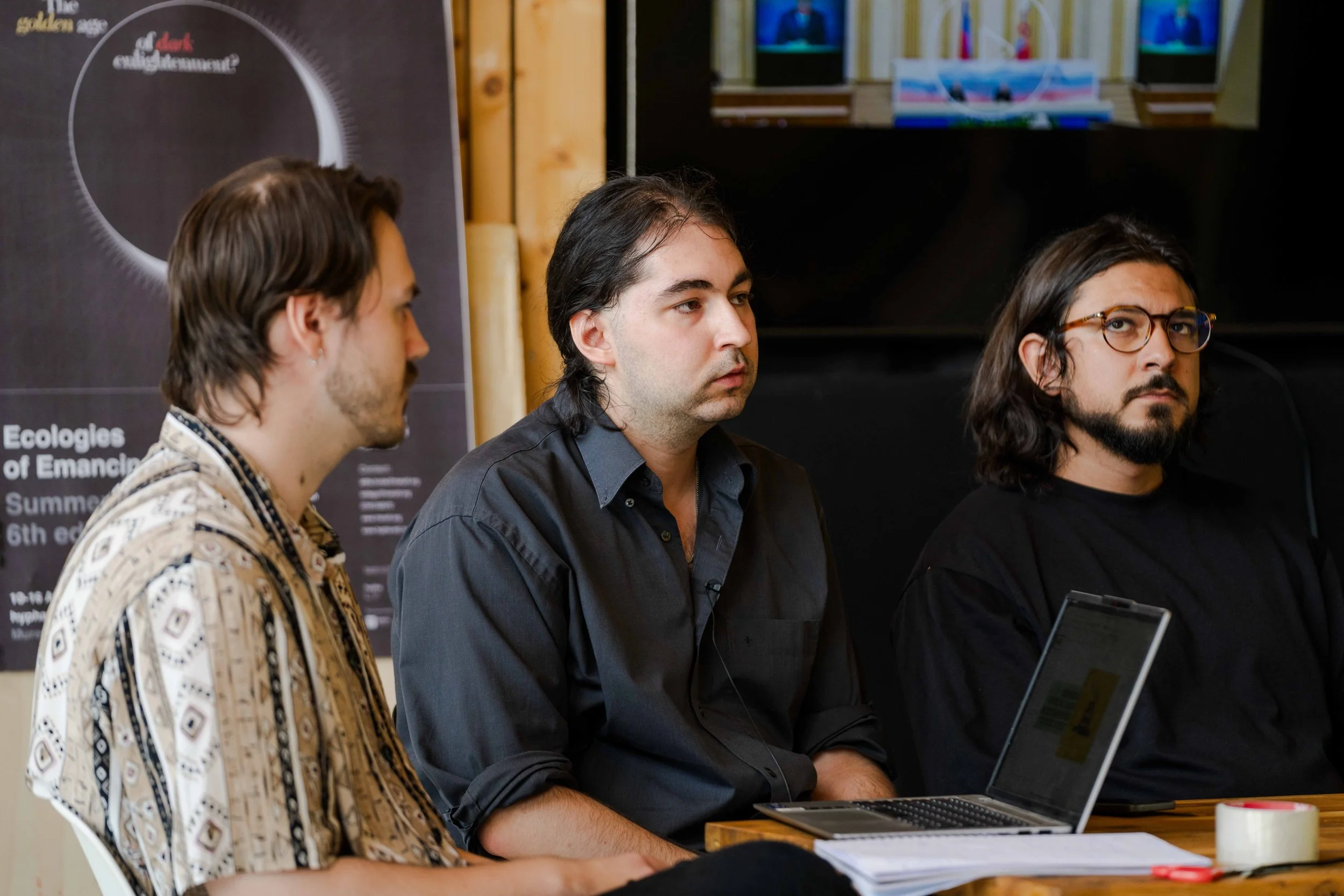
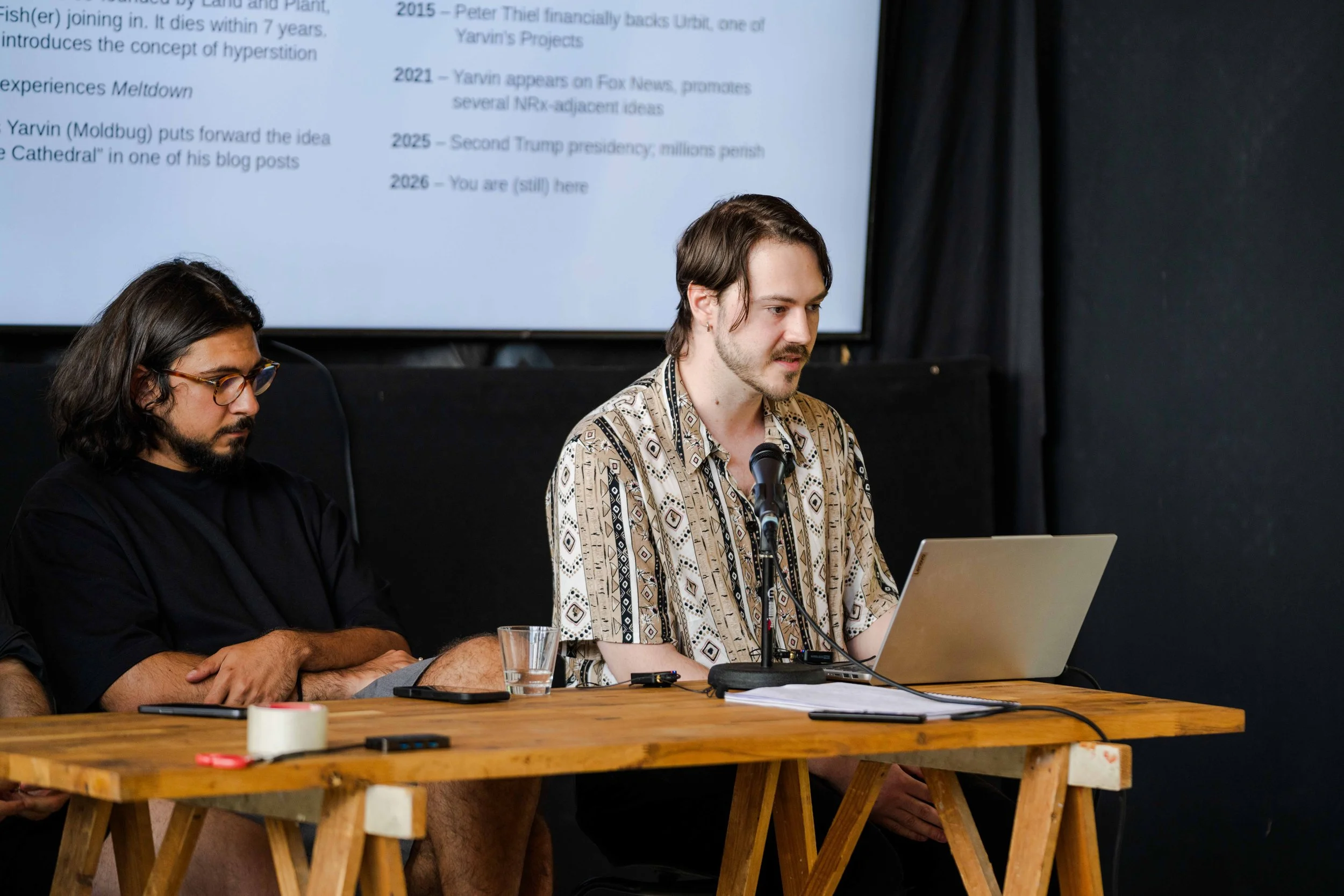
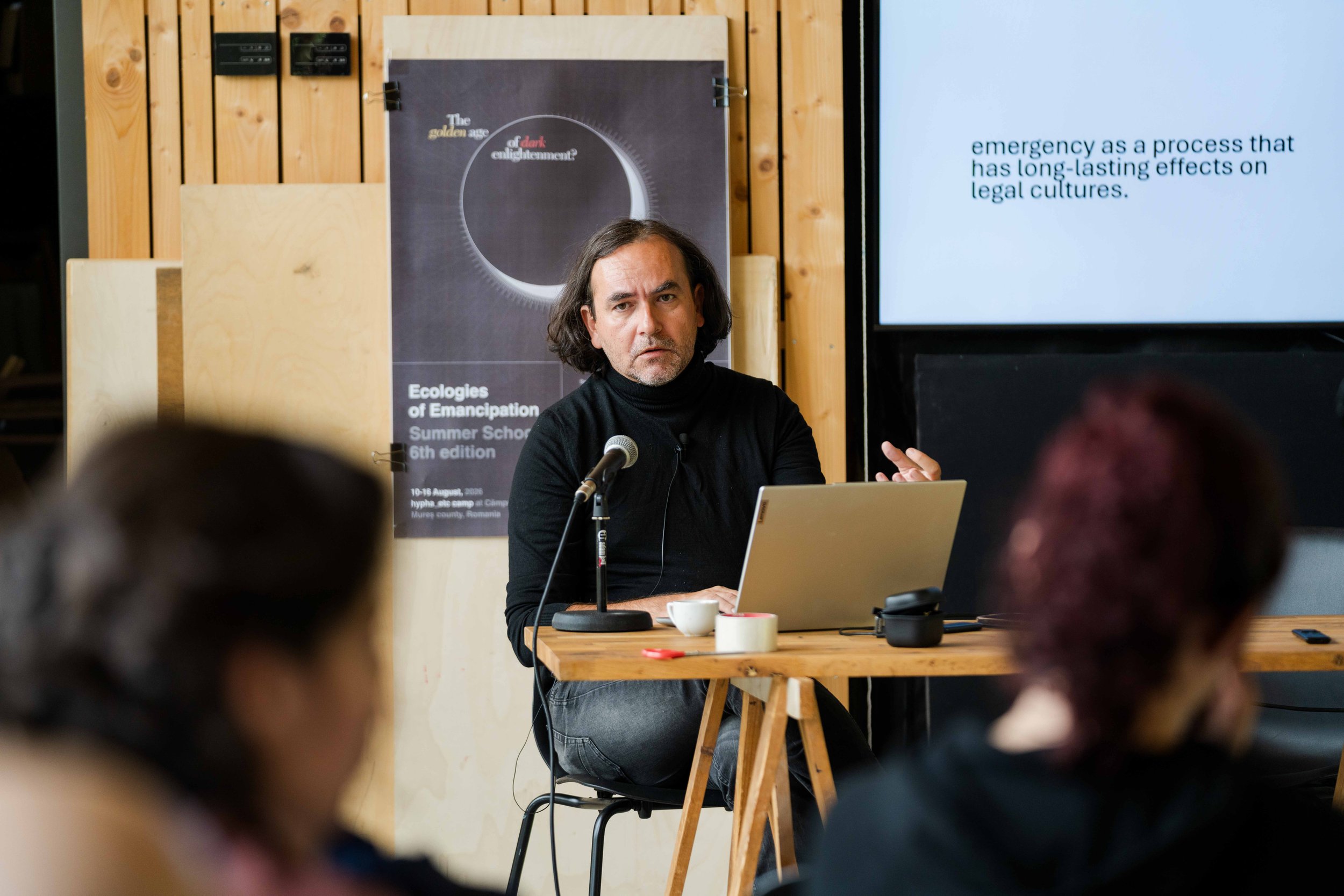
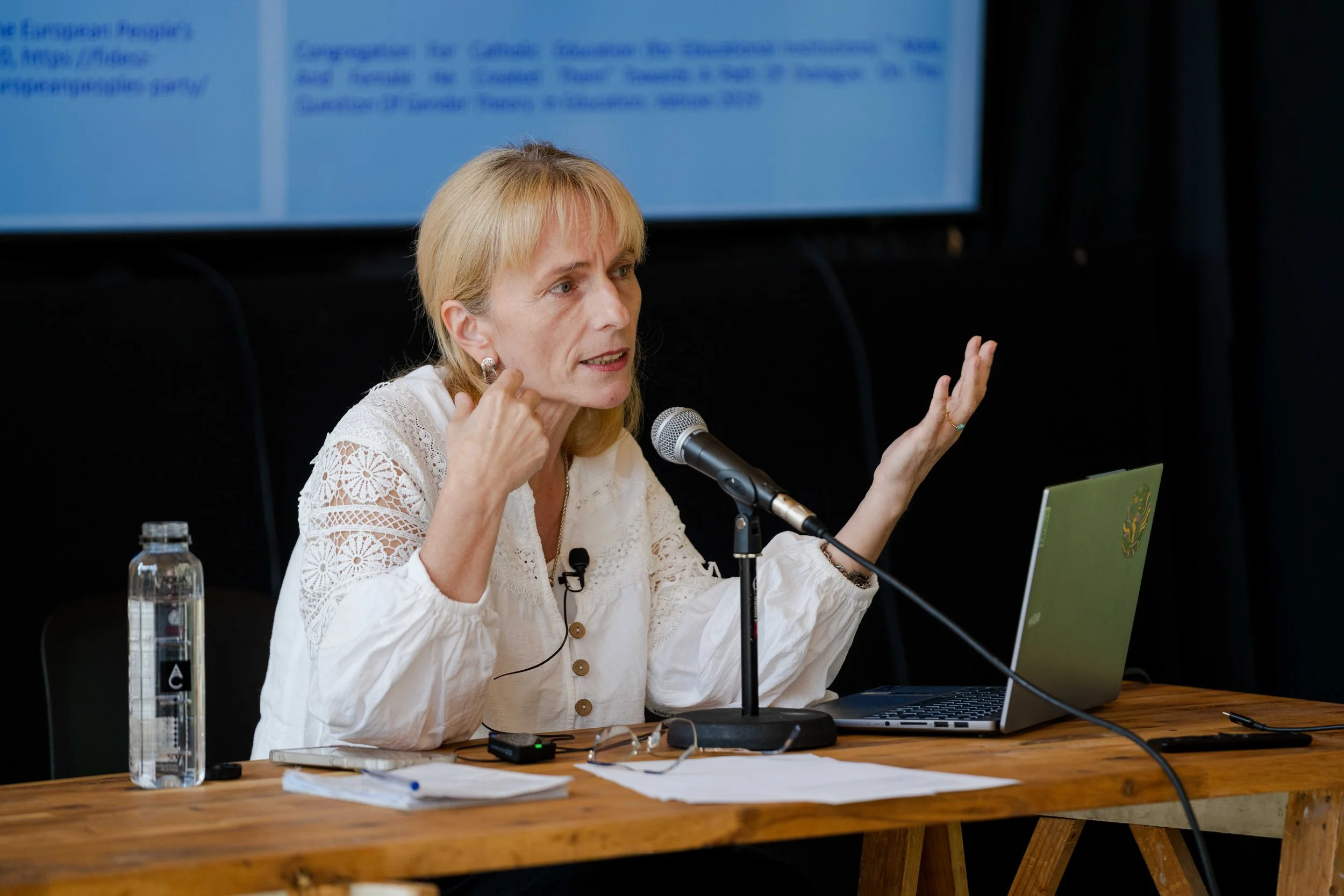
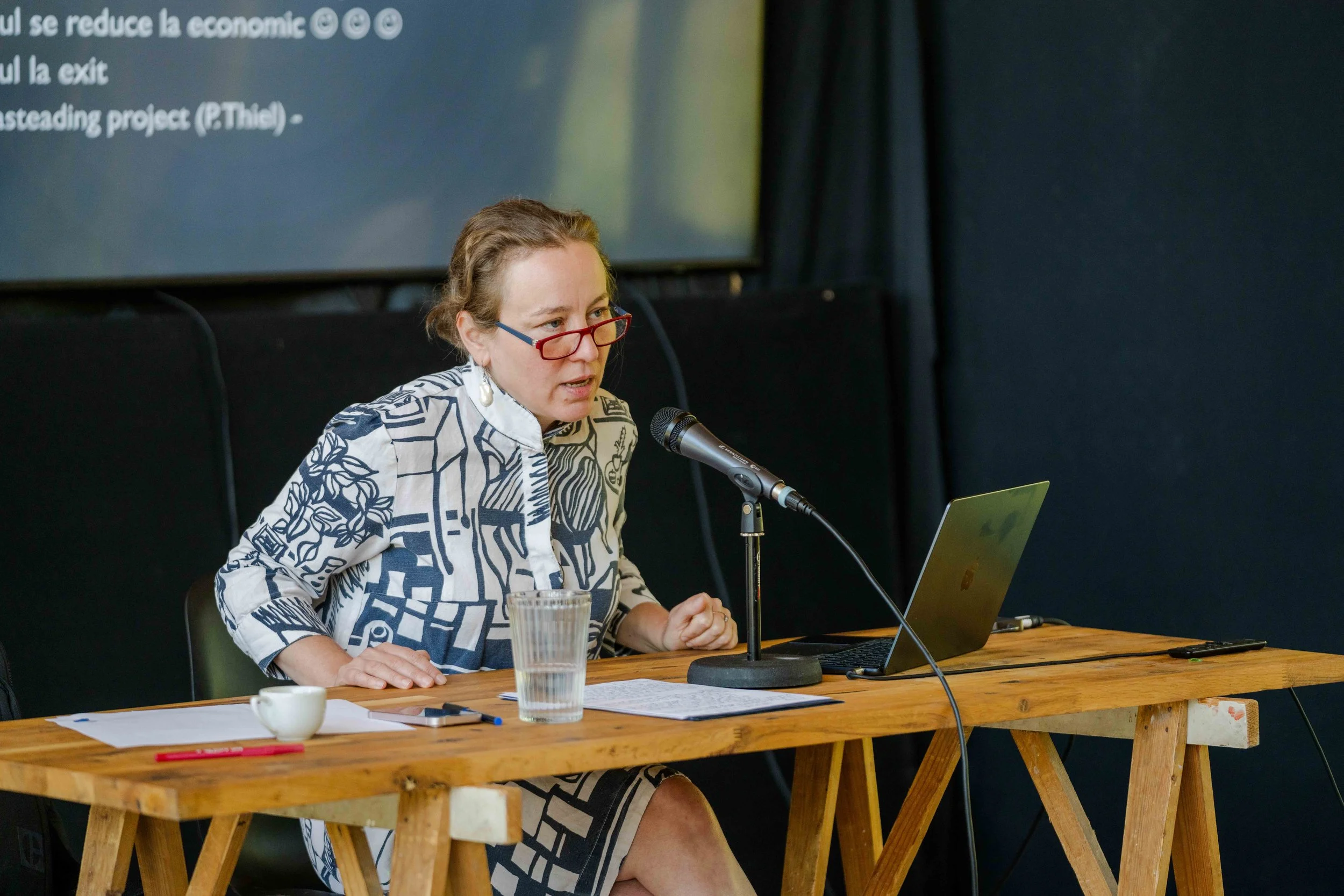
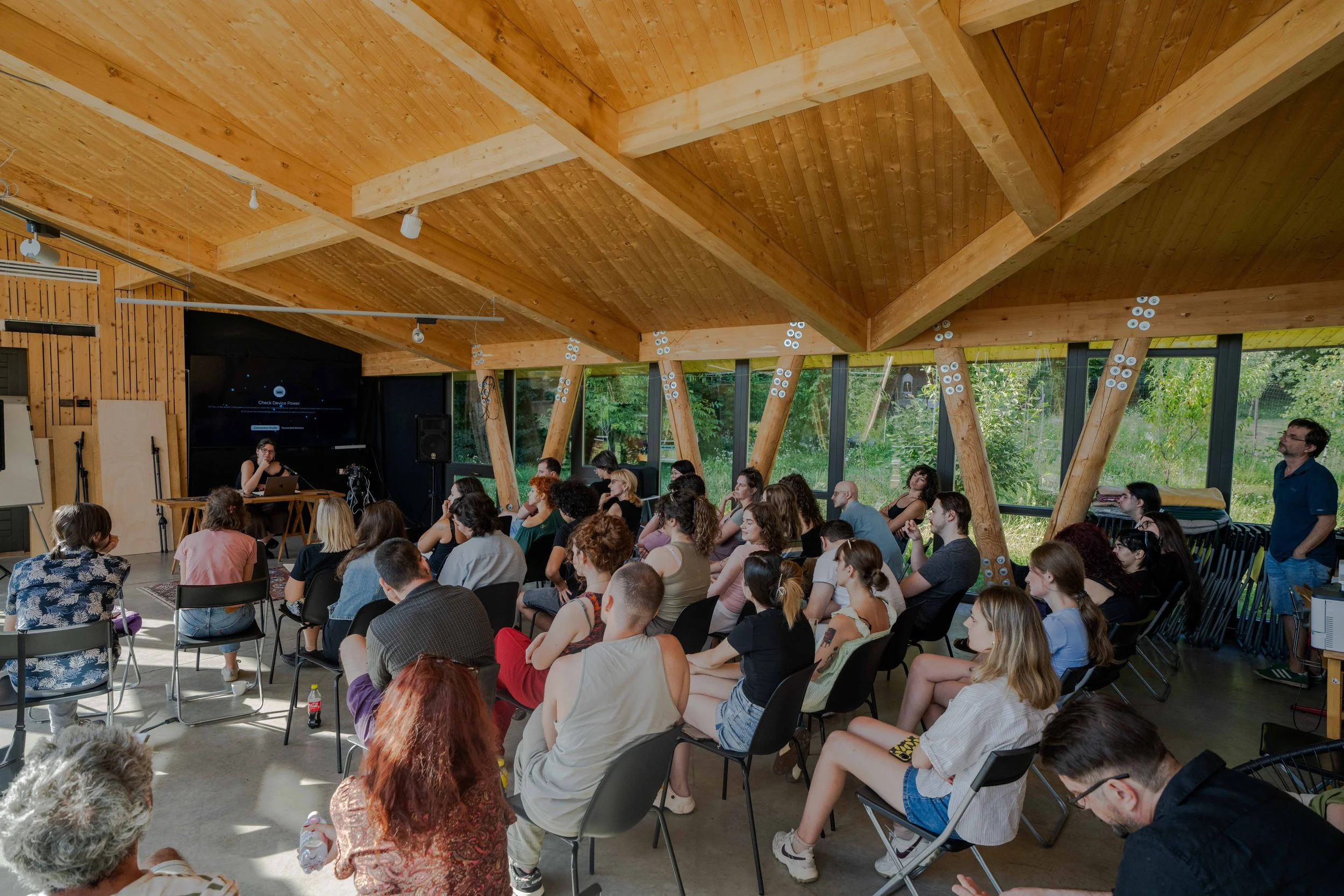
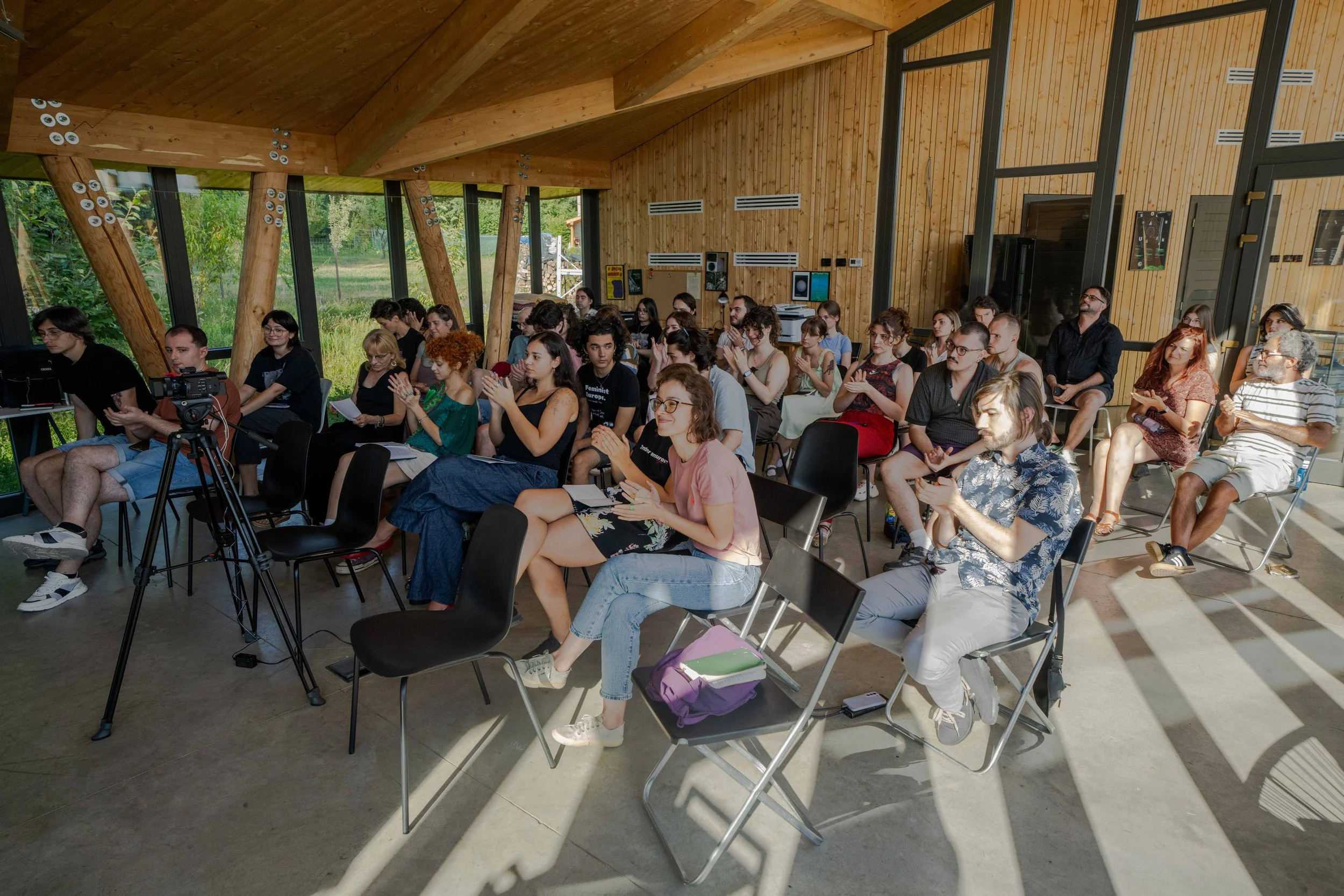
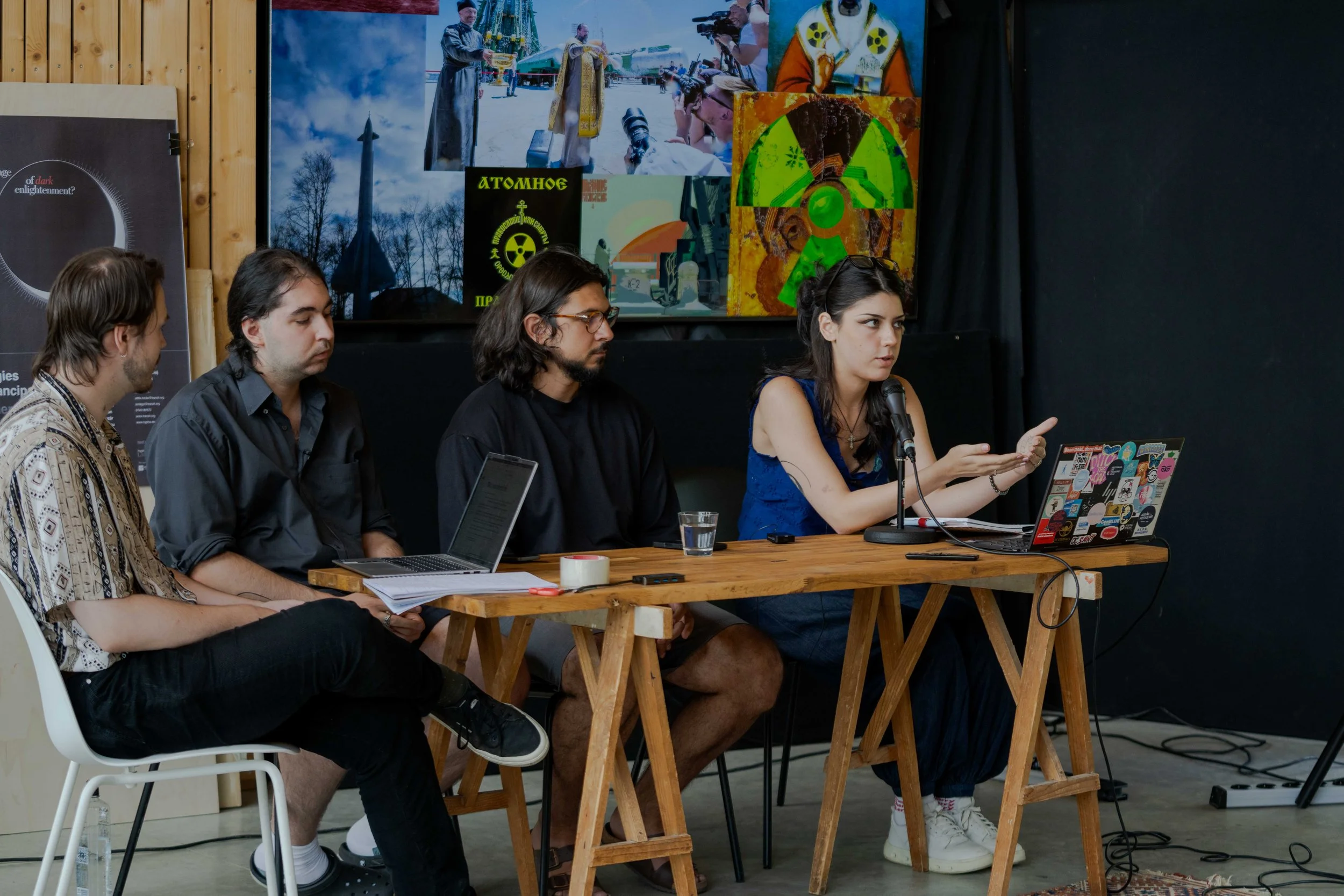
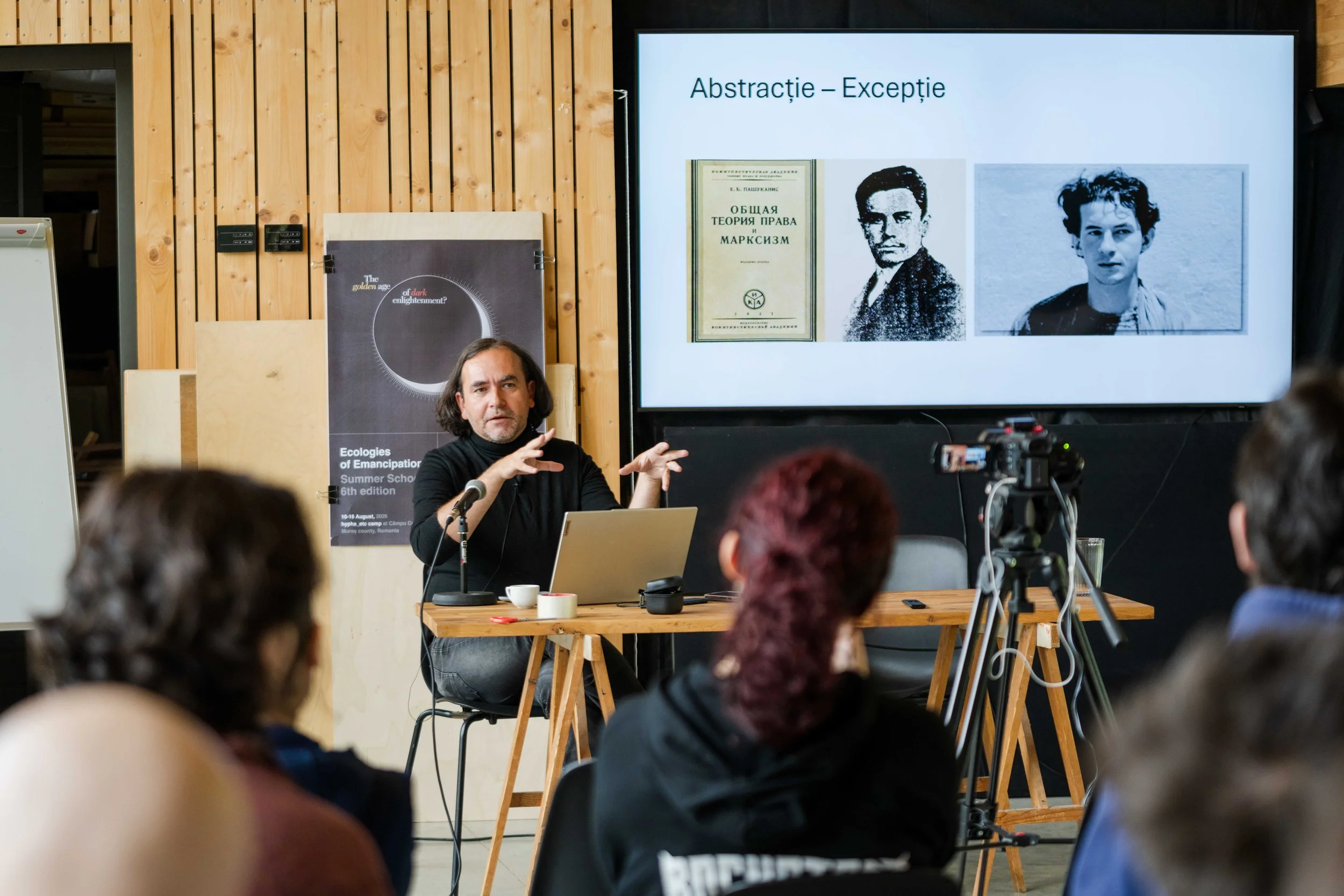
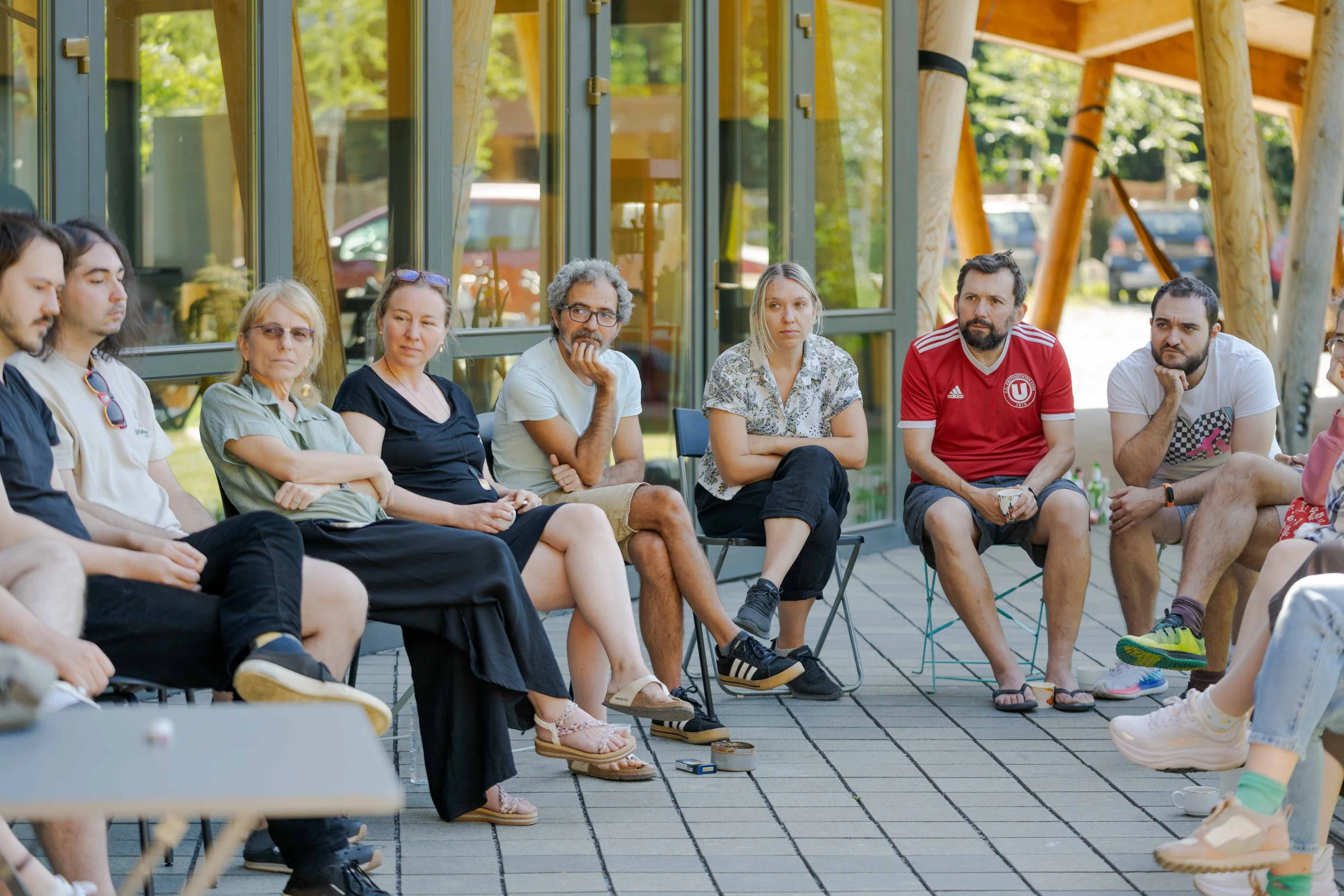
This year’s edition of the summer school “Ecologies of Emancipation” sought to interrogate not only the configuration and spectacular evolution of this ideological platform, both in terms of its ideological content and its material (political-economic) foundations, but also, more broadly and more urgently, the kind of world in which such an ideology, grounded in such a material basis, could become a general metanarrative overnight. Thus, alongside the ideological background of the Dark Enlightenment and its reverberations on the left in various forms of accelerationism, the presentations delivered within the summer school examined the current crisis of the international legal order and modern constitutionalism, civilizational legitimations, the reactionary echoes of neoliberal thought as well as of new labor and production relations, the cultural and educational policies of the new reaction, the alliance between venture and platform capitalism and the military complex as the material basis of the post-liberal order, as well as the crises, challenges, and possibilities for the reconstitution of emancipatory movements in this context.
This year’s edition of the “Ecologies of Emancipation” summer school aimed to examine not only the structure and spectacular evolution of this ideological platform, that is, both its ideological content and its material (political-economic) foundation, but also, more broadly and with greater concern, what kind of world this was in which such an ideology, with such a material basis, could become a general metanarrative overnight. Thus, in addition to the ideological underpinnings of the Dark Enlightenment, as well as its reverberations on the left in various forms of accelerationism, the presentations delivered at the school examined the current crisis of the international legal order and modern constitutionalism, civilizational legitimations, the reactionary echoes of neoliberal thought as well as of new relations of labor and production, the cultural and educational policies of the new reaction, the alliance between venture & platform capitalism and the military-industrial complex as the material basis of the post-liberal order, as well as the crises, challenges, and opportunities for the reconstitution of emancipation movements in this context.
The coordinators of the summer school were Alex Cistelecan and Veronica Lazăr.
The school was intended for undergraduate, MA, and PhD students. No participation fee was required, and the school provided participants with free accommodation and meals. Additionally, participants who wished could also present their own projects or papers within student panels and were kindly asked to mention these presentation proposals in their application.
The summer school “Ecologies of Emancipation” was organized by tranzit.ro/Cluj and hypha_etc. The main partner of tranzit.ro was ERSTE Stiftung.